Search or type URL: how to navigate and search smarter

On this page
- Understanding ‘search or type URL’ in your browser
- The evolution of the address bar
- Search vs. typing a URL: what’s the difference?
- How modern browsers handle search queries
- Why you see ‘search google or type URL’
- Common use cases: when to search, when to type
- How search engines interpret your input
- The role of autocomplete and suggestions
- Address bar shortcuts for faster browsing
- Google search vs. typing a web address directly
- Navigating to websites you want: best practices
- How typing a URL impacts search results
- Search engine integration in popular browsers
- Troubleshooting: when the address bar doesn’t work
- Privacy tips for searching and typing URLs
- SEO insights: how users search or type URLs
- How Seobase automates search-focused content
- Leveraging Seobase for smarter SEO publishing
- Streamlining content creation and backlink building
- Conclusion
- Next step
Ever glanced at that box at the top of your browser that says “search or type URL” and wondered what it actually does? That little prompt lets you do two things at once: search the web or jump straight to a site. Once you understand how it works, you’ll browse faster, protect your privacy better, and waste less time hunting for sites you visit all the time. Below, we’ll walk through how the address bar works and how tools like Seobase help your site show up whether people search for it or type your URL directly.
Understanding ‘search or type URL’ in your browser
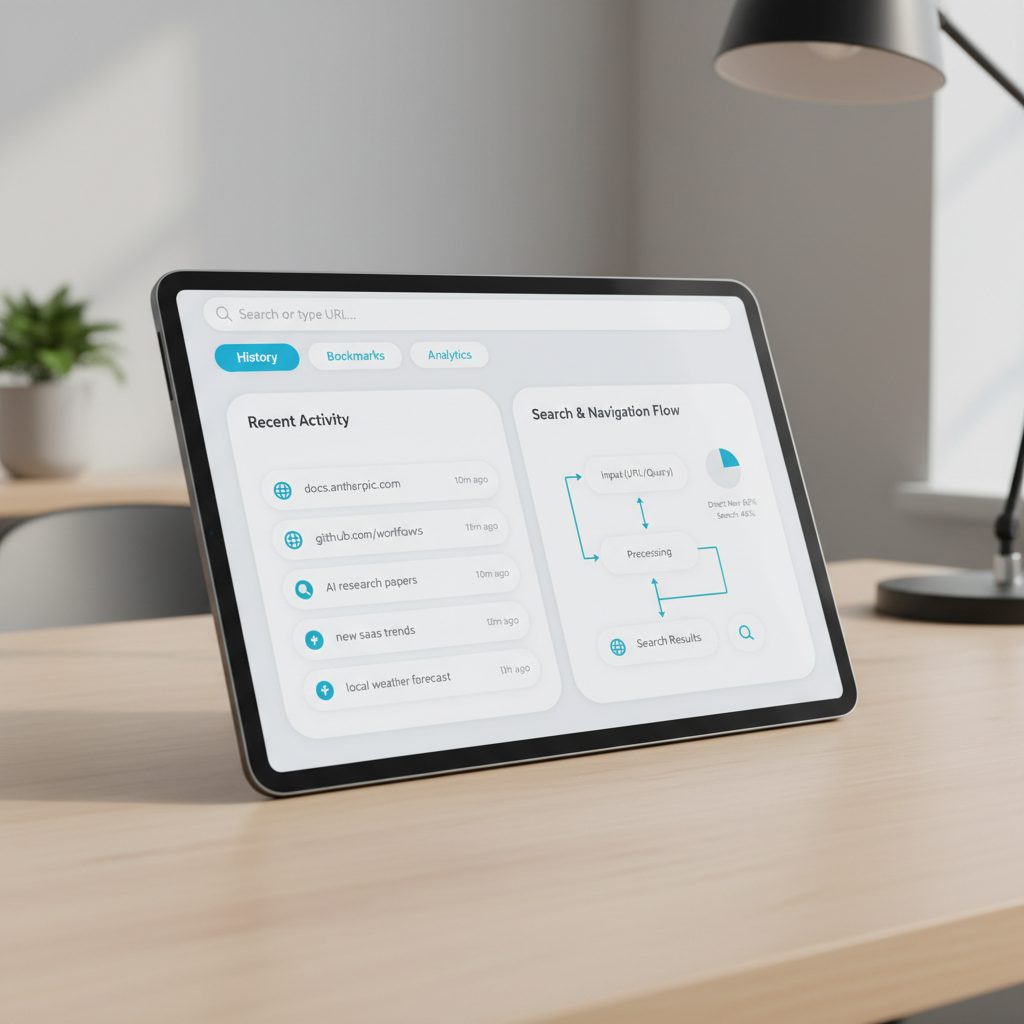
Open a new tab in Chrome or Edge and you’ll see the prompt “search or type URL.” It’s an invitation: either search Google (or whatever your default engine is) or type a web address to go straight to a site.
That bar, often called the omnibox, does more than hold web addresses. Type a search term or paste a full URL, and your browser figures out what you’re trying to do.
The evolution of the address bar
Older browsers split this into two boxes: one for typing an address, one for searching. Over time, browser makers merged them into a single bar to save space and cut down on clicks.
Now that one bar does double duty. It guesses whether you’re typing a URL or looking to search, and routes you accordingly.
Search vs. typing a URL: what’s the difference?
| Action | What It Does | Example Input | Result |
|---|---|---|---|
| Search | Looks up your query using a search engine | “best pizza NYC” | Google search results for pizza places |
| Type URL | Goes directly to a specific website | “nytimes.com” | Loads The New York Times homepage |
| Search Google Type | Combines search and direct navigation | “google type url” | Search results about typing URLs |
Search asks your browser to fetch information from the web. Typing a URL tells it to skip the middleman and go straight to an address.
How modern browsers handle search queries
Modern browsers analyze what you type before deciding what to do with it:
- If it looks like a web address (ends in .com, .org, etc.), the browser tries to load it directly.
- If it reads like a question or a string of unrelated words, the browser sends it to your default search engine.
Depending on your settings, that could mean Google, Bing, or DuckDuckGo.
Why you see ‘search google or type URL’
The phrase “search Google or type URL” is just a reminder of your two options:
- Type a question or keywords to search Google.
- Enter a full web address to go straight to a site.
Chrome and other major browsers lean into this flexibility because it lets people do what they want without switching tools.
Common use cases: when to search, when to type
| Scenario | Should You Search? | Should You Type the URL? | Why |
|---|---|---|---|
| Looking for information | Yes | No | Search surfaces the best sources |
| Visiting a specific site | No | Yes | Typing the URL is faster and more direct |
| Not sure of the exact URL | Yes | No | Search helps you find the right site |
| Accessing a private web page | No | Yes | Only a direct URL will get you there |
If you know exactly where you’re going, type the URL. If you’re exploring or unsure, search first.
How search engines interpret your input
When you search, your browser sends your query to your default search engine, which then:
- Analyzes your input to check whether it looks like a URL or a search phrase.
- Generates results ranked by relevance, if it decides you’re searching.
- Navigates directly to the site, if it decides you typed a URL.
Search engines rely on pattern matching and heuristics to make this call. Type something ambiguous like “seobase,” and the engine has to decide: are you searching for information about Seobase, or trying to reach seobase.co?
The role of autocomplete and suggestions
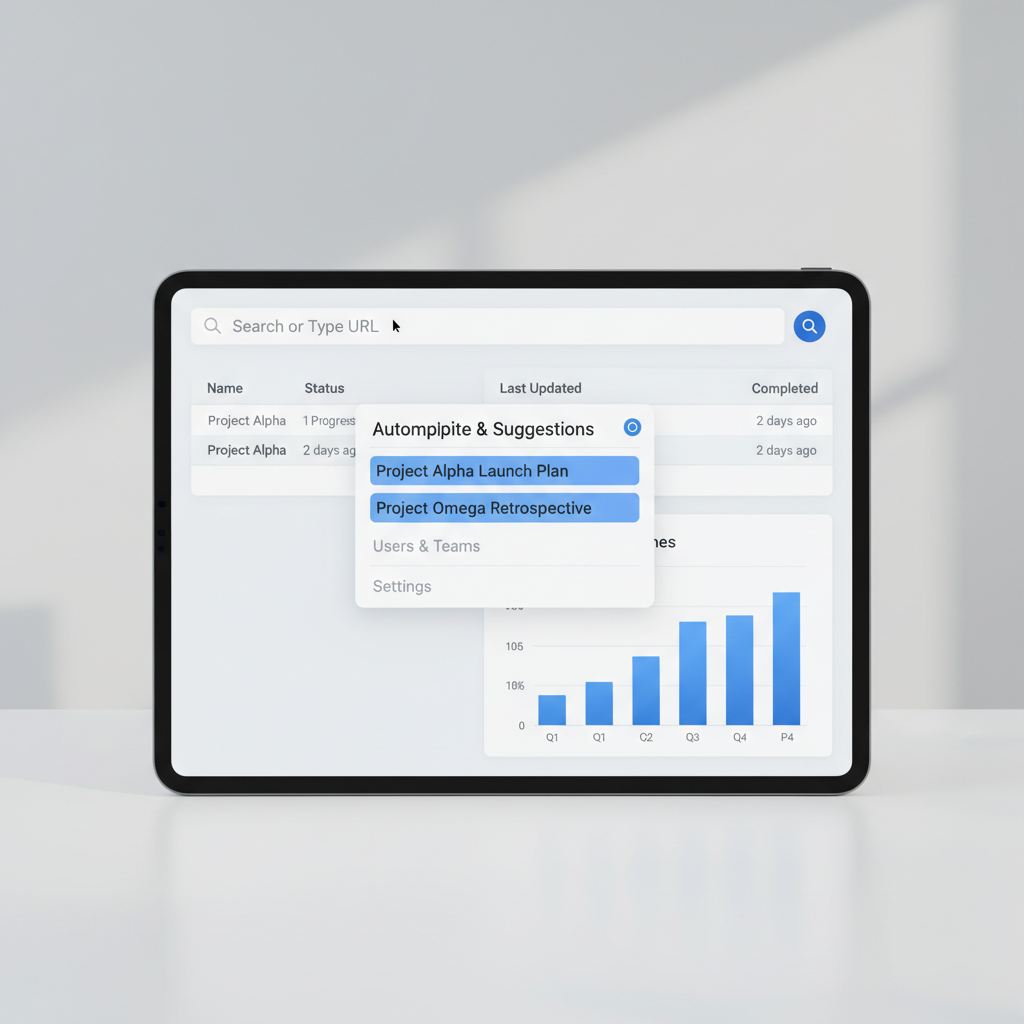
As you type, your browser offers autocomplete suggestions pulled from your browsing history and common searches. This helps you:
- Finish typing faster.
- Avoid misspelling web addresses.
- Jump back to sites you’ve visited before.
The more you use a browser, the better its suggestions tend to get, since it’s drawing on your own habits.
Address bar shortcuts for faster browsing
| Shortcut | What It Does |
|---|---|
| Ctrl + L (Cmd + L) | Highlights the address bar |
| Type search terms + Enter | Searches Google (or your default engine) |
| Type URL + Enter | Goes directly to the website |
| Ctrl + Enter | Adds “.com” to what you typed and navigates there |
| Alt + Enter | Opens what you typed in a new tab |
Try it: type “seobase” in your address bar and hit Ctrl + Enter. It’ll take you straight to seobase.co.
Google search vs. typing a web address directly
| Method | Speed | Privacy | Use Case |
|---|---|---|---|
| Search Google | Medium | Lower | Finding info, exploring options |
| Type URL (Direct Navigation) | Fastest | Higher | Going to a known website |
Typing a URL is usually faster and more private, since you skip the search results page and any tracking that comes with it.
Navigating to websites you want: best practices
- Bookmark favorites: Save the sites you visit often so you don’t have to retype them.
- Use autocomplete: Let your browser finish the address for you.
- Type URLs carefully: A single typo can land you on the wrong site entirely.
- Check for HTTPS: Make sure the address starts with “https://” before entering sensitive information.
If you’re not sure of the exact address, search first, then bookmark the site once you find it.
How typing a URL impacts search results
Type an exact URL and you skip search results entirely. Type a brand name or partial URL, though, and you’ll often see a mix of results, with the official site usually landing at the top.
- Exact URL: Goes straight to the site.
- Partial URL or brand name: Triggers search results, typically with the official site ranked first.
This is exactly why SEO matters: brands want to be the first result when someone types their name instead of the full address.
Search engine integration in popular browsers
| Browser | Default Search Engine | Changeable? | Address Bar Features |
|---|---|---|---|
| Chrome | Yes | Omnibox, autocomplete, suggestions | |
| Firefox | Google/Bing/Yahoo | Yes | Smart search bar, keyword search |
| Edge | Bing | Yes | Address bar + search integration |
| Safari | Yes | Unified search/address bar |
Every major browser lets you swap your default search engine, which affects both what happens when you search and what happens when your typed input doesn’t match a valid URL.
Troubleshooting: when the address bar doesn’t work
- Check your spelling. Typos are the most common reason a browser misreads your intent.
- Clear cache and cookies. Old data can cause odd glitches in autocomplete.
- Update your browser. New versions fix bugs and add address bar improvements.
- Check your default search engine. Confirm it’s set to the one you actually want.
- Try another browser. If the problem follows you everywhere, it’s likely a setting; if it doesn’t, the issue is local to that browser.
Privacy tips for searching and typing URLs
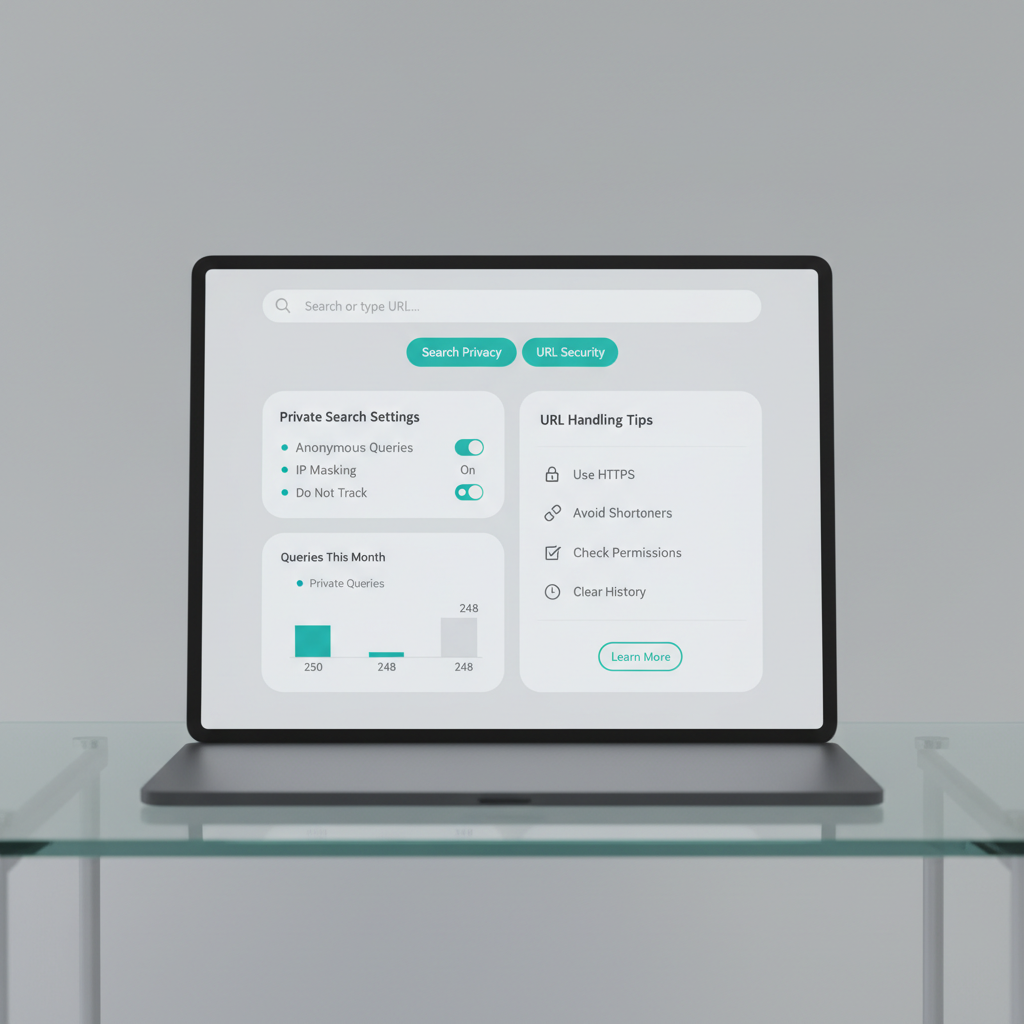
- Use private or incognito mode. It stops your browser from saving searches and visited URLs.
- Clear your browsing history regularly. Old entries build up fast.
- Choose a privacy-focused search engine. DuckDuckGo, for example, doesn’t track your searches.
- Disable autocomplete if you don’t want suggestions based on your history.
Typing a URL directly is generally more private than searching, since you’re not sending a query to a search engine at all.
SEO insights: how users search or type URLs
Understanding how people use the address bar helps businesses shape their SEO strategy:
- Brand searches: Many users type a brand name and click the top result rather than typing the full URL.
- Direct navigation: Repeat visitors often type the exact address (like seobase.co) once they know it.
- Misspellings: A common misspelling can send potential visitors to a competitor or an unrelated search result.
- Search intent: Queries like “Seobase review” or “Seobase pricing” usually start as a search, not a direct URL.
Website owners need to optimize for both: the people who search for you, and the people who already know where to find you.
How Seobase automates search-focused content
Seobase is built for businesses that want more organic visibility without doing all the manual legwork. Here’s how it fits into the search-or-type-url picture:
- Automated keyword research: See what people are actually searching for, right from your dashboard.
- Content calendar generation: Plan articles around the search terms that matter to your business.
- AI article writing: Produce search-optimized content built to rank for relevant queries.
- CMS publishing integrations: Push content to WordPress, Webflow, Shopify, and more with one click.
- Backlink exchange: Build authority by swapping links with other relevant sites.
The goal: your site should be ready for people searching for you and people typing your URL directly.
Leveraging Seobase for smarter SEO publishing
- Identify search intent: Target keywords that match what people actually type into the address bar.
- Multilingual content: Reach audiences in their own language, which helps your visibility in local search results.
- AI image generation and YouTube embeds: Give your articles more to work with, both for readers and for search.
- Approval workflow: Keep your team aligned before anything goes live, so content ships faster without extra back-and-forth.
This ties your search-to-publish process together in one place instead of juggling separate tools.
Streamlining content creation and backlink building
SEO isn’t just about writing, it’s about building authority over time. Seobase helps with:
- Backlink opportunities: Connect with relevant sites for quality links instead of cold outreach from scratch.
- Content performance tracking: See how your articles are ranking for terms like “search or type url” and related phrases.
- Automated outreach: Cut down on the manual back-and-forth of link building.
- Review mode: Get your team’s eyes on content before it publishes.
That leaves more of your time for strategy and less for busywork.
Conclusion
Knowing when to search and when to type a URL makes you a faster, more privacy-conscious web user, and a sharper site owner. Whether you’re just browsing or managing a website, that small decision (search or type) adds up over time in speed, privacy, and results.
Tools like Seobase handle the harder parts of SEO for you: research, writing, publishing, and backlinks, so your site is easy to find whether someone searches Google or types your URL straight into the address bar.
Next step
Ready to simplify your SEO and publish smarter content? Sign up for Seobase today and put your search-focused content strategy on autopilot.
You may also find Search Google or type a URL: how your browser decides & what it means (2026 guide) useful. For more, see Search Google or type URL: how the omnibox works.
Leave a Reply